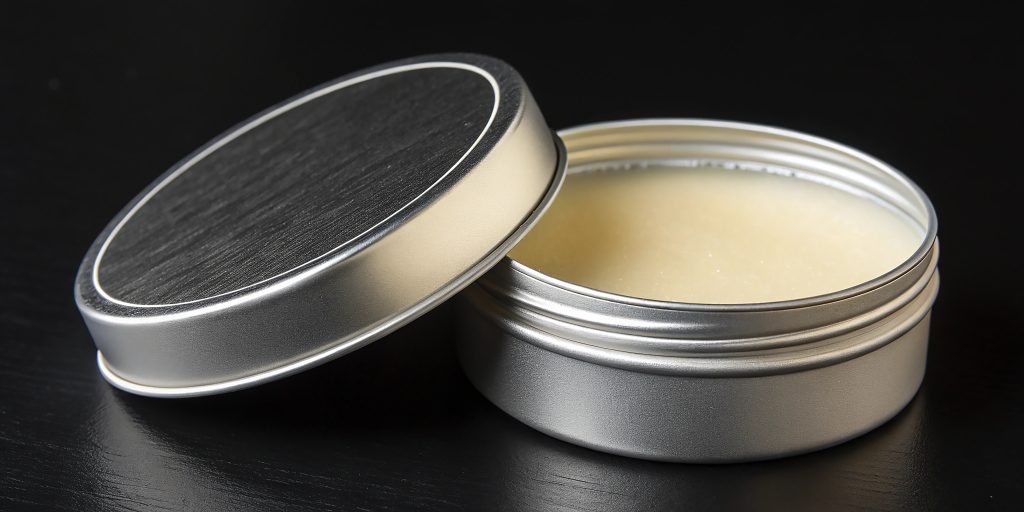
🧪 Petroleum Jelly (Vaseline) — a highly refined, semi-solid blend of hydrocarbons used in cosmetics, pharmaceuticals, and industrial lubrication produced to international quality standards for consistent performance and purity.
⚙️ Production Process
The production of industrial petroleum jelly involves the following steps:
Crude oil distillation: First, the crude oil is distilled under low pressure to separate the lighter compounds. Heavy residue: The remaining heavy compounds include mineral oils and natural waxes. Initial purification: The main impurities are removed using methods such as absorption, filtration, and sometimes acid washing. Stabilization and packaging: The final product is prepared in the form of a semi-solid jelly ready for packaging in metal or plastic drums.
🔍 Physical and Chemical Properties
Feature
Amount or explanation
Physical Condition
Semi-solid jelly
Color
Milky and White to light Brown
Smell
Mild petroleum smell
Melting Point
About 38 to 60 degrees Celsius
Flash Point
Above 180°C
Solubility
Insoluble in water, soluble in mineral oils
Viscosity
High, suitable for surface lubrication
🏭 Industrial Applications
Industrial Vaseline or Petroleum Jelly is used in various industries due to its lubricating, anti-rust and moisture resistance properties:
Metal industries: Preventing rust and corrosion of metal parts Industrial machinery: Lubrication of moving parts and connections Molding and casting: Helping parts to easily exit the mold Electrical and cable industries: Coating to prevent moisture penetration Leather and textile industries: Softening and protecting weaving machinery Rubber and plastic industries: Preventing parts from sticking in the production process
🌍 Export and Packaging
Industrial Vaseline or Petroleum Jelly is usually packaged in 55 or 175 kg barrels and is exported to various countries including India, Afghanistan, African and European countries. Packaging can be customized based on customer needs.